Food Storage Basics: How to Use the Best Food Storage Containers

Good food storage helps leftovers stay fresh, cuts waste and keeps the fridge easier to manage. This guide covers the basics, from cooling food to labeling and freezing, plus how to choose the best food storage containers for what you keep.
Many people assume their fridge is the problem. Things went slimy fast, leftovers got forgotten, and I'd find a container in the back that I honestly couldn't identify. Turns out the fridge was fine. Habits are often the weak point.
Good food storage helps food last longer, taste better, and saves you from tossing money in the bin. None of this is fancy. It's mostly small things you do in the ten minutes after dinner. Here's what I've learned, including a few things I'd skip.
Short on time? Our top picks: Pyrex Glass Storage, OXO Good Grips POP Containers, Rubbermaid Brilliance and Glasslock. See all picks
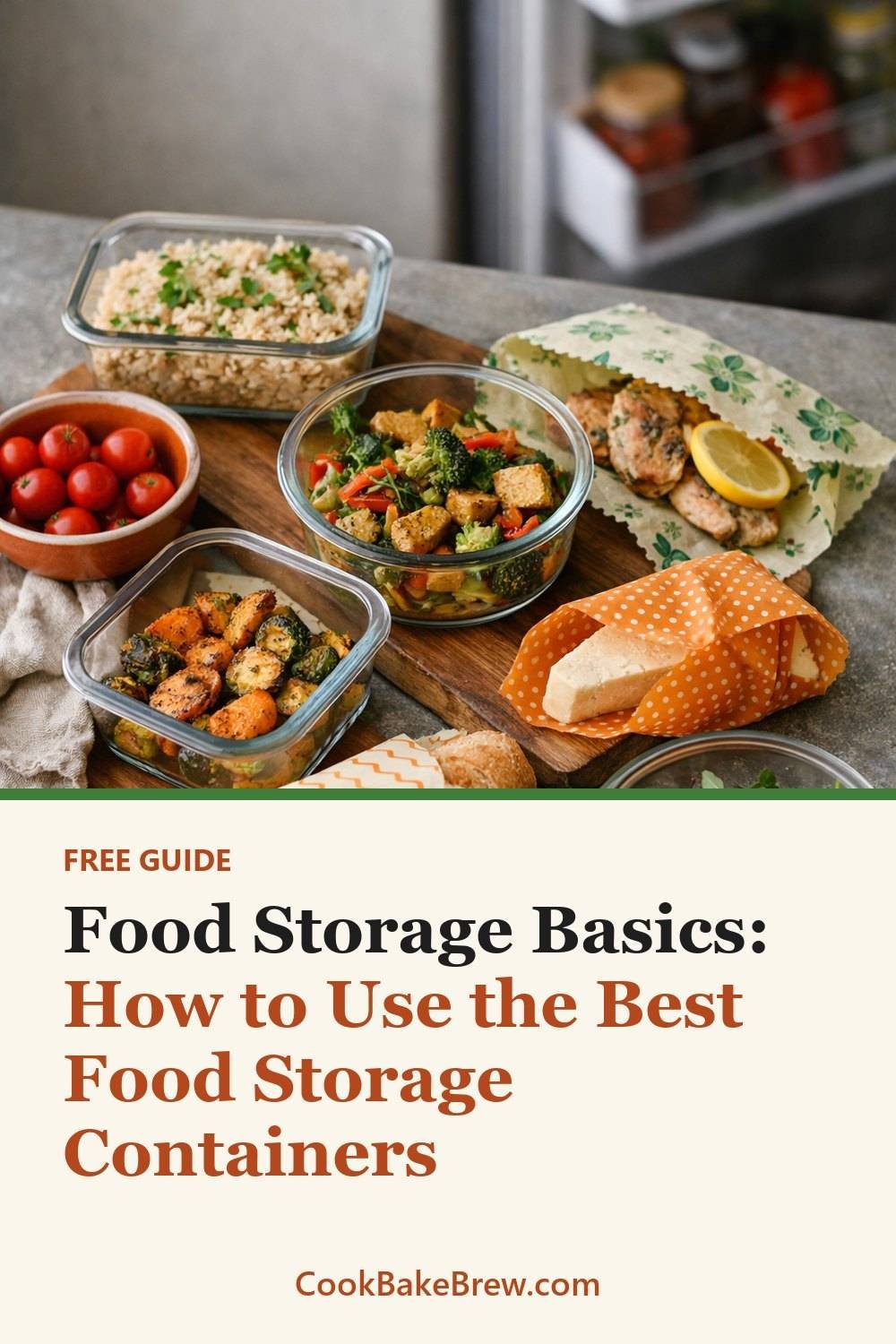
Cool Food Promptly Before It Goes in the Fridge
After cooking a big pot of chili, my old move was to leave it on the stove until bedtime. Then I'd shove the whole hot pot in the fridge. That's two mistakes in one.
Leaving cooked food sitting out for hours isn't a great idea. But putting a huge, steaming pot straight into the fridge can warm up everything around it and take a long time to cool in the middle.
What works better for me:
- Split big batches into smaller, shallower containers so they cool faster.
- Stir soups and stews now and then while they cool down a bit.
- Leave lids slightly open at first, then close them once the steam stops.
Some people use an ice bath in the sink for a big pot of soup. It works, but it's only worth the effort for a really large batch. For a normal dinner, shallow containers do the job.
For exact timing on how long cooked food can safely sit out, check a trusted food safety source. Exact numbers depend on the food and your fridge, so check trusted food safety guidelines.
Choose the Best Food Storage Containers for Leftovers
To be straightforward about it: For years I covered bowls with a plate or a loose sheet of foil and called it good. The food dried out, picked up weird fridge smells, and nobody wanted to eat it.
Switching to the best food storage containers I could find changed that. Rice stays soft. Cut onions don't make your butter taste like onion. Cookies stay chewy instead of going stale overnight.
You don't need a matching set that costs a fortune. A few things I look for:
- Lids that actually snap or seal. If it pops off when you squeeze the sides, it's not doing much.
- Clear sides, so you can see what's inside without opening it.
- A few sizes that stack, including large food storage containers for batch cooking. Small ones for sauces, medium for a single meal, one or two big ones for batch cooking.
Glass food storage, such as Pyrex, is nice because it doesn't stain from tomato sauce and you can often reheat in it. Plastic food storage containers are lighter and better for packed lunches. If you're unsure whether a container is safe for the microwave, oven, or freezer, check the label or the maker's instructions.
What's overrated? Those huge 40-piece sets of dry food storage containers and the like. Half the lids go missing within a month, and you'll use maybe six of them.
Label and Date Everything (Yes, Really)
This is the one people skip, and I get it. It feels fussy. But the first time you pull out a frozen block of "something brown" and can't tell if it's beef stew or chocolate cake batter, you'll come around.
A good system is simple. A roll of masking tape and a marker live in the drawer by the fridge. Every container should get two things: what it is and the date it was made. That's it.
A few reasons this helps:
- You can see at a glance what needs eating first.
- You stop guessing about whether that soup is from Monday or last Monday.
- Anyone else in the house can grab leftovers without asking you.
For the freezer, I also add a quick note like "add cream when reheating" or "needs rice." Future me is always grateful.
By the way, if you'd like something good to fill those containers with, you can grab my Free 3 Soup Recipe Cards when you join the email list. Soups are some of the easiest things to cool, store, and freeze.
Keep Your Food Storage Organized So Nothing Gets Lost
A messy fridge isn't just annoying. It's where food goes to be forgotten. Out of sight really is out of mind.
The biggest rule I follow: raw meat, poultry, and fish go on the lowest shelf. If a package leaks, you don't want juices dripping onto your salad or the leftover pasta below. Put raw meat on a plate or in a container too, just in case.
Here's roughly how I set mine up:
- Top shelves: ready-to-eat stuff like leftovers, drinks, yogurt, and cooked food.
- Middle shelves: dairy, eggs, and things you use a lot.
- Bottom shelf: raw meat and fish, wrapped or in a container.
- Drawers: fruit and vegetables.
- Door: condiments, jams, sauces. The door gets warmer each time it opens, so I don't keep milk there.
One habit that helps a lot is "first in, first out." When I bring home new groceries, I slide the older stuff to the front. It takes thirty seconds and saves me from finding three half-open jars of the same salsa.
It also helps to do a quick fridge check every week, ideally the night before you shop. Planning meals around what's already in there is where the Weekly Meal Planner and Grocery List Pack below this post comes in handy. It helps prevent buying things you already have, like spinach.
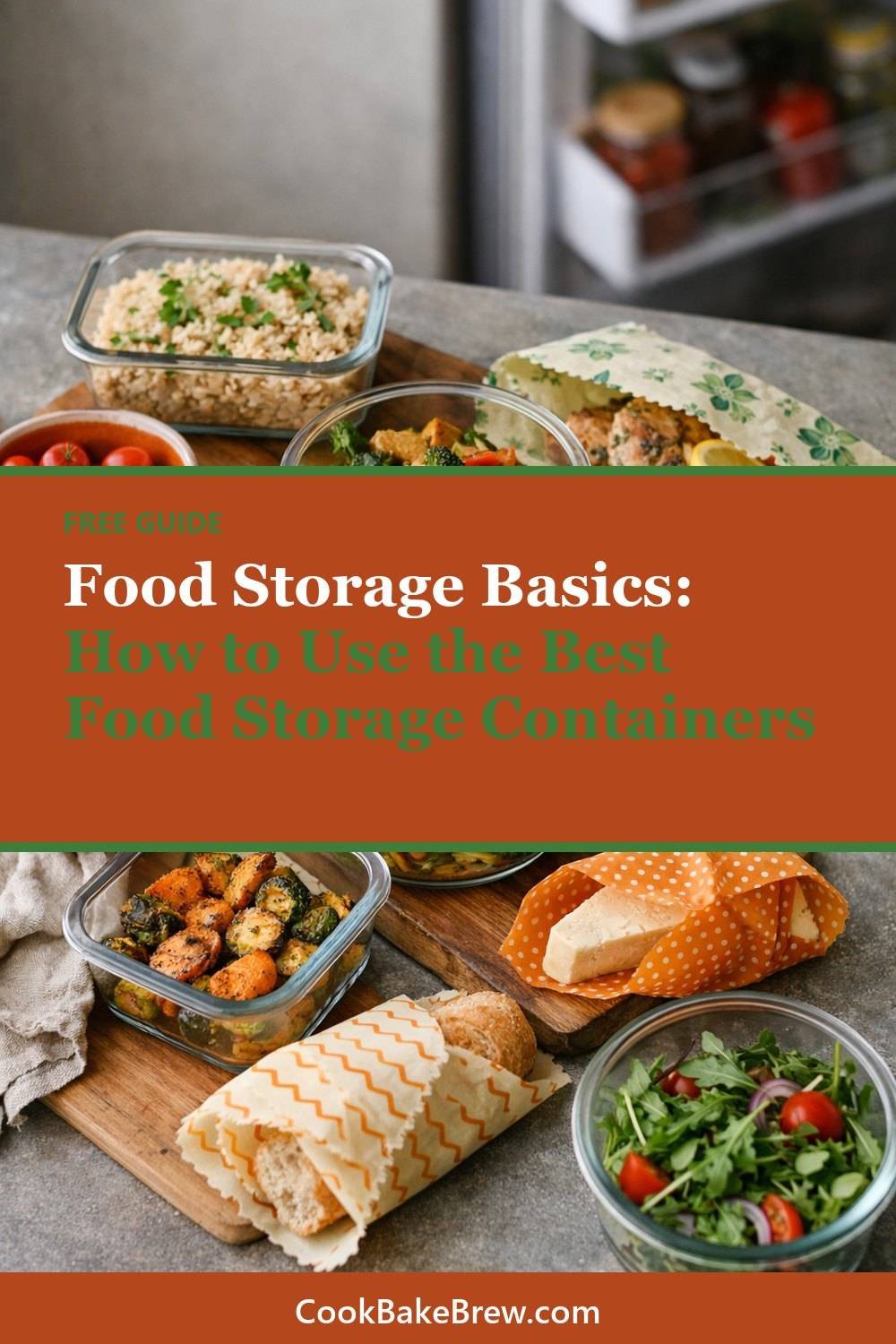
Freeze Things Flat to Save Space
This tip is a small thing that made my freezer so much easier to use.
Instead of freezing soup or ground meat in bulky tubs, I put it in a freezer bag like a Ziploc freezer bag, press out the air, seal it, and lay it flat on a tray. Once it's frozen solid, I take away the tray and stand the bags up like books in a file.
Why I like it:
- Flat bags stack neatly and fit in odd gaps.
- They thaw faster than a thick block.
- You can snap off a chunk if you only need a little.
It works well for soups, sauces, chili, cooked beans, ground meat, and even cooked rice. You can skip it for anything delicate that might get squished, like a lasagna. That goes in a proper dish.
Squeezing the air out matters. Air is what causes freezer burn, those dry, frosty patches that make food taste like the inside of a freezer. It's still safe in most cases, but it's not nice to eat.
Check Trusted Guidance When You're Not Sure
This advice comes from home cooking experience, not food science. General habits can help, but no one can say exactly how many days your leftover chicken is good for.
For that kind of thing, look at a trusted food safety source, like your local or national food safety agency. They have charts for fridge and freezer times, safe cooking temperatures, and how to thaw things properly.
Also check the packaging. Many foods have storage instructions right on the label, and "refrigerate after opening" is there for a reason. It's an easy lesson to learn the hard way, for example with a jar of pesto.
And if something smells off, looks fuzzy, or just seems wrong? Don't taste it to find out. It's painful to throw food away, but it's not worth feeling sick over.
Food Storage Picks Worth a Look
You don't need a lot of gear to store food well, but a few reliable basics make the habits above easier. Here are some well-known options that fit different kitchens.
Pyrex Glass Storage
Suits people who want glass containers for leftovers and reheating. Check that the lids are rated for the way you plan to use them, since lids often differ from the glass itself.
OXO Good Grips POP Containers
A good fit for pantry staples like flour, rice, and pasta when you want airtight, stackable storage. Measure your shelf space first, because the shapes and sizes vary.
Rubbermaid Brilliance
Suits anyone who wants clear, leak-resistant plastic containers for fridge leftovers and packed lunches. Check the care instructions for microwave and dishwasher use before you rely on them.
Glasslock
Works for people who want tempered glass containers with snap lids in a range of sizes. Look at how the lid seals, and whether it's meant for the freezer or oven.
Ziploc Freezer Bags
Handy for freezing soups, sauces, and ground meat flat, as described above. Make sure you pick the freezer version of the bag rather than the standard storage one.
Souper Cubes
Suits batch cookers who like to freeze soup and sauce in neat, stackable portions. Check the portion sizes against how many people you usually feed.
Mason jars by Ball
A budget-friendly choice for dry goods, dressings, and some cooled leftovers. Check the manufacturer's guidance on freezing, since not every jar is made for it.
Check current plans and prices on each brand's own site before you buy.
FAQ
Do I really need special food storage containers for the pantry?
Not special, just airtight. A few sturdy containers with tight lids will do more than a big fancy set. Reused jars with good lids work too, and so do Mason jars.
Can I put warm food in the fridge?
Many people do once it has cooled down a bit and been split into smaller portions. The big thing to avoid is putting a huge, hot pot in there all at once. For specific advice, check a trusted food safety source.
How long do leftovers last?
It depends on the food, so I won't give you a one-size answer. Your local food safety agency usually has a clear chart. Dating your containers makes it much easier to follow that guidance.
What's the easiest thing to start with?
Labeling. Grab tape and a marker and start writing the name and date on everything. It's cheap, quick, and makes every other habit easier.
A Quick Recap
Start your food storage basics by cooling food in smaller portions. Use containers that seal. Write the name and date on them. Keep raw meat low and older food up front. Freeze things flat with the air pressed out. When you're unsure, check a trusted source instead of guessing.
You don't have to do all of it this week. Pick one habit, maybe labeling or freezing flat, and try it on your next batch of leftovers. If busy weeknights are what lead to forgotten food in your house, the 30-Minute Dinner Planner below this post might help you plan meals that use what you've got.
Your next step: sign up for the email list and grab your Free 3 Soup Recipe Cards. Make a pot, try freezing a couple of portions flat, and see how much easier dinner gets later. Then take a look at the planners below this post if you want a little help keeping it all organized.
Printables and tools that can help
Weekly Meal Planner and Grocery List Pack
Printable weekly meal planner pages and grocery...
See details30-Minute Dinner Planner
A printable planner for quick weeknight dinners, with a grocery list and...
See details