Kitchen Organization on a Small Budget
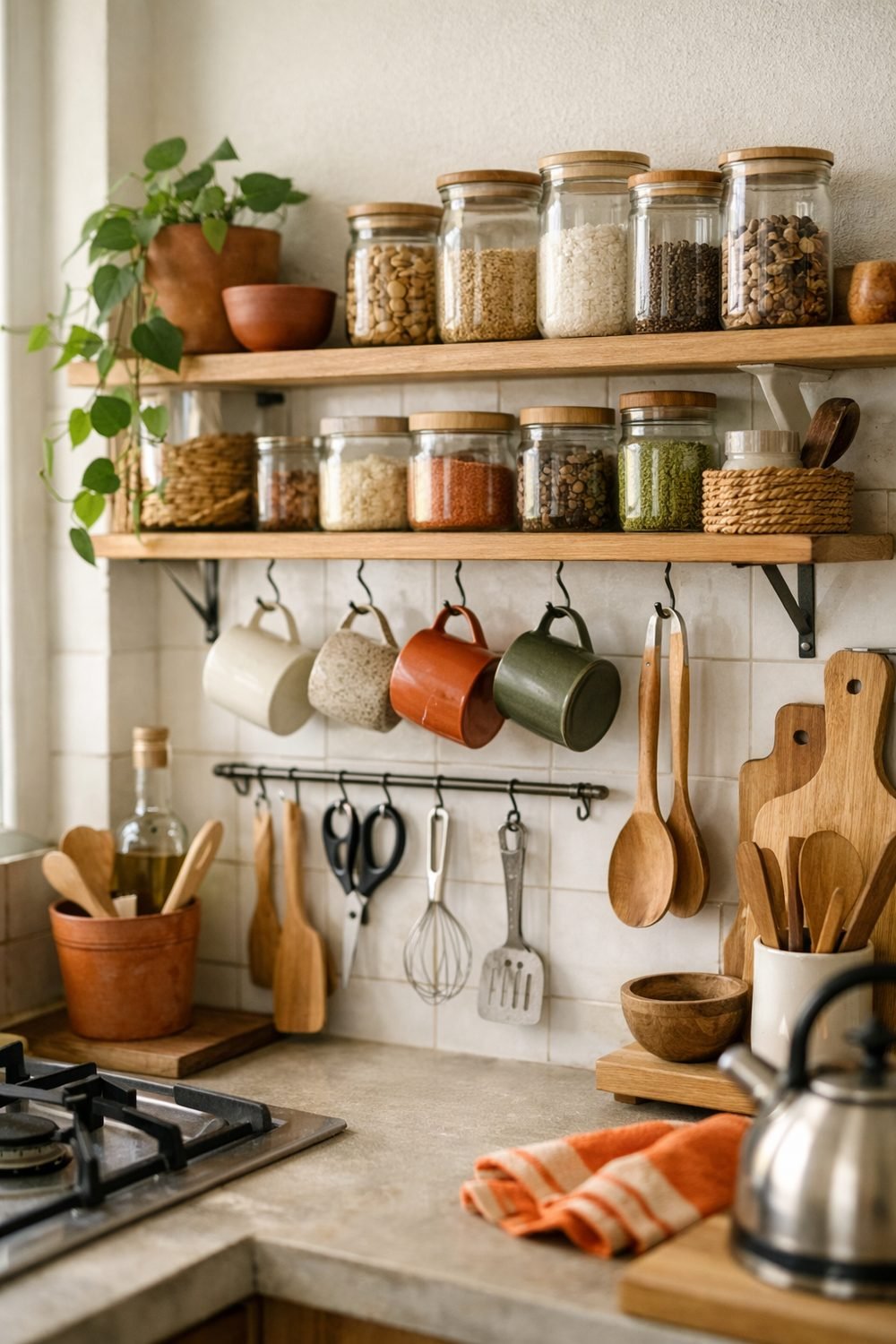
A tidy kitchen is easier to cook in, and these kitchen organization ideas cost very little. It's easy to doubt that until you spend ten minutes hunting for baking soda while pancake batter sits there going flat. It turned out there were three open boxes of it, all in different cupboards. That was my sign.
The good news is that you don't need to spend much to fix this. You don't need matching containers or a fancy pull-out pantry. Mostly you need an afternoon, some honesty about what you actually use, and a few jars you probably already own. Here's how I did it, and what I'd tell a friend to try.
Short on time? Our top picks: Mason jars (Ball), OXO Good Grips POP Containers, IKEA Storage Boxes and Dividers and The Container Store. See all picks
Start by Emptying One Area
Don't pull everything out of every cupboard at once. It's a common mistake, and by hour two the counters can be buried and the stove hard to reach, leaving crackers for dinner.
Pick one spot instead. A single drawer, one shelf, or the cupboard under the sink. Take everything out and put it on the table where you can see it.
Then sort it into a few piles:
- Keep: things you've used in the last few months.
- Move: things that belong somewhere else in the house.
- Toss or donate: broken tools, expired food, the fifth spatula.
Wipe the empty shelf down before anything goes back. It feels good, and you'll find crumbs you didn't know were there. Once that one area is done, stop or move to the next. Small wins keep you going better than a giant mess does.
Group Like Items Together
This is the step that made the biggest difference for me, and it costs nothing. Things that get used together should live together.
In a typical kitchen, that looks like this. All the baking stuff (flour, sugar, baking powder, vanilla, sprinkles) sits on one shelf. Spices have their own spot near the stove. Pans and lids stay in the same cupboard, with lids standing up in a dish rack so they stop sliding around.
Some other groups that work well:
- Coffee and tea things, including mugs, filters and sugar
- Lunch packing supplies like bags, containers and foil
- Snacks for the kids on a low shelf they can reach
- Oils, vinegars and sauces close to where you cook
When you bake a cake, you can grab one shelf's worth of stuff instead of opening four doors. And you'll notice right away when you're running low on something, which means fewer extra trips to the store.
Kitchen Organization Ideas Using What You Already Have
Honestly, the aisle with pantry organization containers is where a lot of budgets go to die. Those clear bins look great in photos, but you can get most of the same result with things lying around your house.
Here's what I've reused:
- Glass jars from pasta sauce, pickles and jam. Soak off the labels and they're perfect for rice, oats, lentils and dried beans.
- Shoe boxes to corral packets of gravy mix, seasoning and soup.
- A small basket I'd been keeping on a closet shelf for no reason. It now holds onions and garlic.
- An old mug for wooden spoons next to the stove.
- Cereal boxes cut in half as drawer dividers. Not pretty, but they work.
If you do want to buy something, look at what's left after you've used up the free options. For me it was one cheap turntable for the corner cupboard. Bottles used to vanish back there. Now I just spin it.
What I'd skip: those matching spice jar sets. You'll spend an evening refilling tiny jars, and half the spices won't fit anyway. Just line up the jars they came in.
By the way, if you'd like something to cook once your kitchen is cleared out, you can grab my Free 3 Soup Recipe Cards by joining the email list in the box on this page.
Label Things So You Can Find Them
Labels sound a bit fussy. But once my flour and powdered sugar were both in plain glass jars, I had to admit they look almost the same. One batch of very sweet gravy from a mislabeled container is a good reason to start labeling.
You don't need a label maker, and Scotch masking tape with a marker does the job. Masking tape and a marker work just fine, and you can peel it off when you change your mind. It also helps to write the date on things like flour and nuts, since it's easy to forget how long they've been sitting there.
Labels on shelves help too, especially if other people share your kitchen. When the shelf says "Snacks," it's a lot more likely the snacks end up back there instead of on the counter. It's not magic, but it helps.
Keep Daily Items Close and Store the Rest
Take a look at the things you touch every single day. For most people, it's a few pans, a good knife, one of those small cutting boards, the kettle or coffee maker, and a handful of spices. Those deserve the easy-to-reach spots, right where you stand to cook.
Everything else can go higher, lower, or further away. The turkey roaster you use once a year doesn't need prime space. Neither does the waffle maker, unless you're a waffle-every-Sunday family (in which case, I'm jealous).
A few ideas that helped me:
- Stand where you cook and notice what you reach for. Put those things within arm's length.
- Move holiday and party items to the top shelf or even a closet.
- Clear the counters of anything you don't use daily. Even one free stretch of counter makes cooking feel calmer.
You can move a stand mixer to a lower cupboard and may find you barely miss it on the counter. A small toaster can stay out, though. Be real about your own habits, not what looks nice.
Plan Ahead So the Mess Doesn't Come Back
A lot of kitchen clutter is really a shopping problem. You buy a second jar of cumin because you weren't sure you had one. Or you pick up vegetables with no plan, and they end up tucked in the back of the fridge.
Writing a simple meal plan and grocery list helped me more than I expected. Before I shop, I check the shelves, write down what's actually missing, and plan a few dinners around what I've got. If you like having a printed version, the Weekly Meal Planner and Grocery List Pack below this post is made for exactly that. A notebook works too, honestly. The habit matters more than the paper.
Review Things Once a Month
No kitchen stays tidy on its own. Mine drifts back toward chaos within a few weeks if I ignore it. So once a month, I spend about twenty minutes putting things back where they belong.
Usually it's simple stuff. Lids wandered into the wrong cupboard. A bag of chips got shoved into the baking shelf. Something in the fridge needs to go. You can also check dates on pantry items and move the older ones to the front so they get used first.
Try tying this to something you already do, like the day you make your grocery list. That way I don't have to remember a separate chore. If you like checklists, the Kitchen and Cooking Planner and Checklist Bundle below this post has pages for this kind of routine.
Budget-Friendly Organizing Picks
You can get a long way with jars and boxes you already own, but a few simple buys can fill the gaps. Here are some well-known options that suit a small budget.
Mason jars (Ball)
Good for anyone who wants matching jars for rice, oats and dried beans without hunting for lids that fit. Check which mouth size (regular or wide) suits your scoops and your shelf height before buying a set.
OXO Good Grips POP Containers
These suit people who want airtight, stackable storage for flour, sugar and cereal. Check how much shelf space you have, since square stacking containers work best when you measure first.
IKEA Storage Boxes and Dividers
A handy place to look for drawer dividers, baskets and shelf risers in one trip. Measure your drawers and cupboards first, as the sizes have to match your space.
The Container Store
Suits readers with awkward cupboards who want to browse many sizes and shapes of bins, turntables and racks. Compare against what you already own, since it is easy to buy more than you need.
Rubbermaid Food Storage Containers
A practical pick for leftovers and lunch packing, with lots of sizes to choose from. Check that lids and bases are sold to match, so you can replace a lost piece.
Lazy Susan Turntables (Copco)
Great for a corner cupboard where bottles and jars disappear to the back. Check the turntable's diameter and rim height against your shelf before you buy.
Scotch Masking Tape and a Sharpie
A cheap labeling set for anyone who doesn't want a label maker. Check that the marker is permanent enough for jars, and test that the tape peels off cleanly.
Please check current plans and prices on each brand's own site before you buy.
FAQ
How long does it take to organize a small kitchen?
It depends on how much stuff you have and how much time you can give it. Plan on one drawer or shelf per session rather than trying to do it all in a day. A weekend of short sessions often covers a small kitchen.
Do I need to buy containers to get organized?
No. Start with jars, boxes and baskets you already own, and see what's still missing after that. Buy only the one or two things that would solve a real problem.
What should I do with duplicate tools?
Keep the one you like best and donate the rest if they're in good shape. If you really use two at once, like two spatulas when cooking for a crowd, it's fine to keep both. Just be honest about it.
How do I get my family to keep things tidy?
Labels help a lot, since people can see where things go. Put items each person uses where they can reach them easily. And try not to expect perfect, because "mostly back in the right place" is still a big win.
Summary
Organizing a kitchen on a small budget comes down to a few steps. Empty one area at a time, group things you use together, reuse jars and boxes, label what's confusing, and keep everyday items close. Then check in once a month so it stays that way. None of it needs fancy gear, just a little time.
If you're ready to start, pick one drawer today. Then sign up for the Free 3 Soup Recipe Cards so you have something cozy to make in your newly cleared kitchen. And if you want some help planning meals or keeping a routine, take a look at the planner and checklist products below this post.
Printables and tools that can help
Kitchen and Cooking Planner and Checklist Bundle
A printable bundle with a 30-day goal page, weekly planner and kitchen checklists for home...
See detailsWeekly Meal Planner and Grocery List Pack
Printable weekly meal planner pages and grocery...
See details