Meal Planning Basics: A Simple Weekly System
Published 2026-10-16
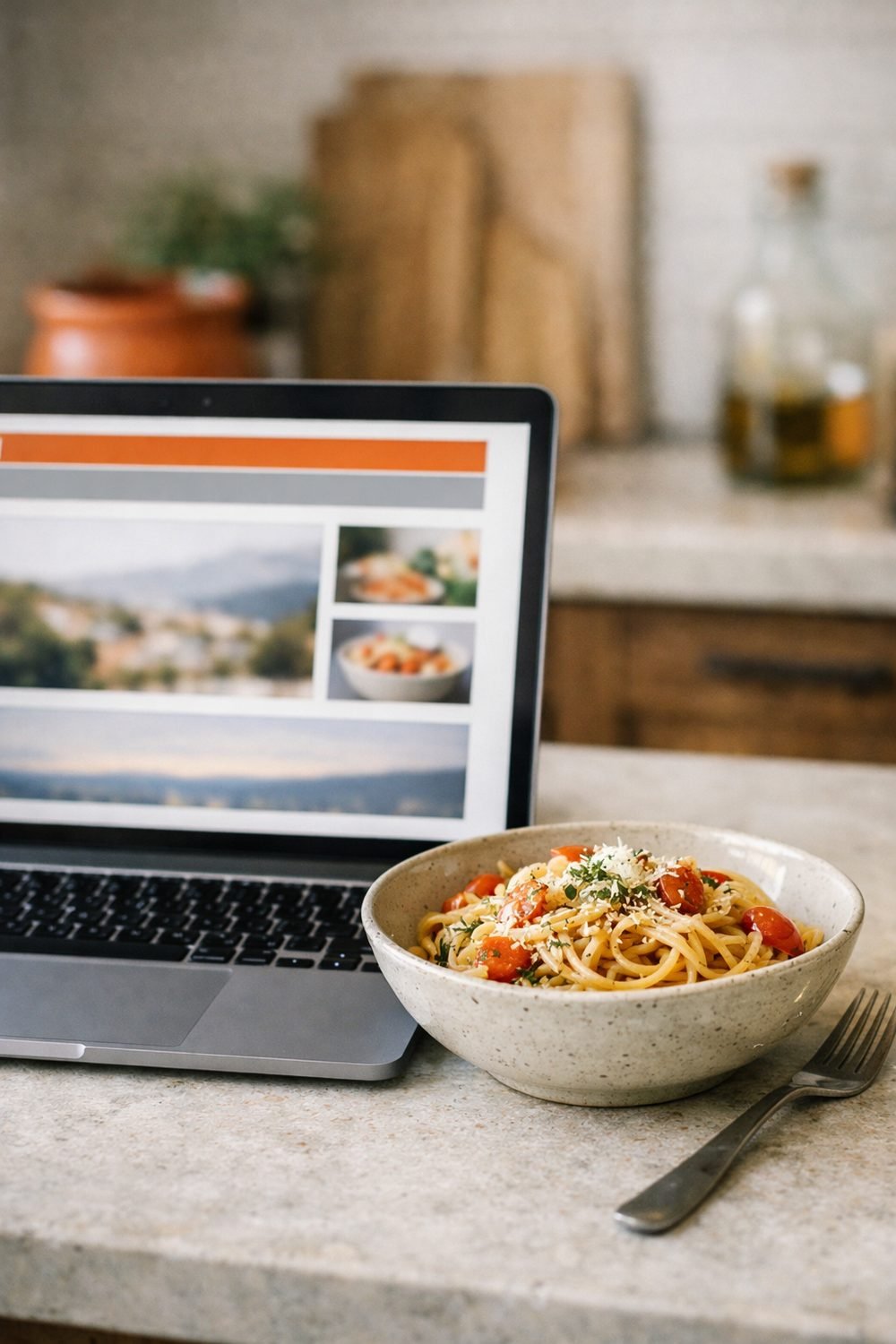
It's 5:45 on a Tuesday. You're standing in front of the open fridge, staring at half an onion, some yogurt and a bag of spinach that's starting to go soft. Nobody has an idea, and nobody wants to dig out the best meal prep containers to start a big cooking session. Somebody suggests takeout again.
It's a common situation, and plenty of people have been there. What finally fixed it for me wasn't a fancy app or a color-coded binder. It was a plain weekly plan I sketch out in about twenty minutes on Sunday. It saves me money, it saves me time, and it mostly gets rid of that nightly "what's for dinner?" stress.
Here's a simple system you can use, with a few meal prep ideas mixed in. You can copy it exactly or bend it to fit your house.
Short on time? Our top picks: Mealime, Paprika Recipe Manager, Plan to Eat and AnyList. See all picks
Start With What You Already Have
Before you write a single meal down, open the fridge, the freezer and the pantry. Actually look. Pull things forward. You'll almost always find something you forgot you bought.
It helps to watch for three kinds of things:
- Fresh food that needs to be eaten soon, like greens, herbs, milk or cooked rice
- Freezer items that have been sitting there too long
- Pantry staples you have plenty of, like pasta, beans, canned tomatoes or lentils
Then plan a couple of meal prep ideas around those items first. That soft spinach? It goes into Monday's pasta. The chicken thighs in the freezer become Wednesday's sheet pan dinner. Half a bag of lentils turns into soup.
This step is the one people skip, and honestly it's the one that saves the most money. Every meal you build from food you already own is a meal you don't have to buy for. It also means less stuff going into the trash at the end of the week, which always made me feel a little guilty.
Fill In the Week, One Row at a Time
Now grab a piece of paper, a notes app or a whiteboard on the fridge. Make a simple table with one row for each day, or use an app like Plan to Eat if you prefer a screen. That's it. You don't need a printable template, though you can use one if you like them.
Plan dinners first. Dinner is where most of the stress lives, so start there. If your family needs packed lunches, add those after, ideally in a meal prep lunch box such as a Bentgo that keeps things tidy. Breakfast I usually leave alone, because most of us eat the same few things anyway.
A week for a typical household might look something like this:
- Monday: Pasta with spinach, garlic and parmesan
- Tuesday: Tacos with beans and whatever veggies are around
- Wednesday: Sheet pan chicken thighs with potatoes
- Thursday: Leftovers night
- Friday: Homemade pizza or "breakfast for dinner"
- Saturday: Something a bit more fun, like a new recipe
- Sunday: Big pot of soup, with extra for lunches
Notice two things in there. There's one leftovers night, and there's one very easy night. These two are worth treating as non-negotiable. Life happens. Someone works late, practice runs long, you just don't feel like cooking. If the plan has no room to breathe, you'll abandon it by Wednesday.
It also helps to put the meals with the most perishable ingredients early in the week. Fish and tender greens go on Monday or Tuesday. Hardy stuff like potatoes, carrots, cabbage and canned goods can wait until Friday.
And here's a small trick: cook once, eat twice. If you're roasting chicken on Wednesday, roast extra. Thursday's leftovers just became chicken wraps or fried rice instead of a sad plate of the same thing, and they store neatly in glass meal prep containers like Pyrex.
Build the Grocery List and Choose Your Meal Prep Containers
Once the week is filled in, go meal by meal and write down only what you don't already have. This is where planning really starts paying you back.
Group the list by store section. Try these headings:
- Produce
- Protein (meat, fish, tofu, eggs)
- Dairy
- Pantry
- Frozen
- Household
It sounds fussy, but it makes a real difference at the store. You walk through each section once instead of zigzagging back for the one thing you forgot. You shop faster, and when you're in and out quickly, you're less likely to fill the cart with snacks you didn't plan on. At least that's how it goes for me.
One honest tip: check the list against your pantry one more time before you leave. A common mistake is buying a third jar of cumin because you didn't check the pantry first.
Keep a List of Go-To Meals
This is my favorite part of the whole system, and it's the thing that makes Sunday planning take twenty minutes instead of an hour.
Write down 10 to 15 meals your family actually likes and will eat without complaining. Not Pinterest meals. Real ones. The stuff you make on autopilot.
Mine includes things like chili, stir fry, baked potatoes with toppings, a simple curry, egg fried rice, grilled cheese with tomato soup, and a couple of different soups. Nothing fancy. Every one of them is something I can make tired.
When you're stuck, just pick from the list. Most weeks I'll grab four or five meals from it and try one new recipe. That balance keeps things from getting boring without turning every night into a project.
Soups are great to have on that list, by the way. They're forgiving, they use up odds and ends, and they make good lunches the next day. If you want a few to start with, you can join our email list and we'll send you our Free 3 Soup Recipe Cards.
Keep your go-to list somewhere easy to find. Mine lives on a note taped inside a kitchen cupboard. Whenever we try something new and everyone loves it, it gets added.
What I'd Skip (At Least at First)
There's a lot of meal planning advice out there, and some of it is great. Some of it, in my opinion, is overrated, especially when you're just starting.
You can skip planning every single meal and snack for the whole family. It's too much. Dinner alone will get you most of the benefit.
You can also skip the huge Sunday meal prep marathon if it's not your thing. Some people love spending three hours filling meal prep containers. A common pitfall is cooking one big batch of chicken and ending up eating the same reheated meal five days in a row, which gets old by Thursday. A little prep, like washing greens or cooking a pot of rice, is plenty.
And don't buy special equipment just to get started, not even the best meal prep boxes. A pen, a scrap of paper and a fridge magnet work fine. Once the habit sticks, you can pick up containers you like.
Review at the End of the Week
Before you plan the next week, take two minutes to look back at the last one. Ask yourself a few honest questions:
- What didn't we eat, and why?
- Was anything too complicated for a weeknight?
- What did everyone actually enjoy?
- Did I buy anything that went to waste?
Then adjust. If the Tuesday stir fry never happens because Tuesdays are chaos, move it to the weekend and make Tuesday an easy night. If you keep throwing out half a bag of salad, buy a smaller bag or swap in a sturdier vegetable.
This little review is how the plan gets better over time. The first week will feel clunky. By the fourth or fifth week, you'll know your own patterns so well that planning almost writes itself.
Tools That Can Make Meal Planning Easier
You really can plan a week with a pen and paper, but a few tools make the habit easier to keep. Here are some well-known options worth a look once you know what you need.
Mealime
A meal planning app that suits beginners who want simple dinner ideas and an automatic grocery list. Check which dietary preferences are supported on the plan you choose.
Paprika Recipe Manager
Good for people who collect recipes from many websites and want them in one place. Check which devices you use, since apps may be bought separately for each platform.
Plan to Eat
Suits families who want to drag saved recipes onto a calendar and build a shopping list from them. Check whether you want a subscription, and try any free trial before you commit.
AnyList
A shared grocery list app that works well when more than one person shops. Check that everyone in your household can use it on their phones.
Pyrex
A familiar name in glass storage containers, handy for leftovers and cook once, eat twice meals. Check that the lids fit your fridge shelves and that you are happy with the weight if you carry lunches.
Rubbermaid Brilliance
A container line that suits people who want stackable storage for prepped food and soup. Check whether the lids are safe for the microwave or dishwasher before you rely on them.
Bentgo
Known for lunch boxes with compartments, which suit packed lunches for kids or adults. Check the compartment sizes against the meals you actually pack.
Check current plans and prices on each brand's own site before you decide.
FAQ
How long does weekly meal planning take?
The first time might take you 30 to 45 minutes while you figure out what you like. Once you have a go-to meal list, it usually drops to around 15 or 20 minutes. Most of that time is checking the fridge and writing the grocery list.
What if my family doesn't want what's on the plan?
Swap nights around. The plan is a guide, not a contract. Asking everyone to pick one meal for the week also helps a lot, because people complain less about dinners they chose.
Should I plan lunches and breakfasts too, and do I need containers?
Only if you need to. Start with dinners, since that's where most of the stress is. If you pack lunches, plan for leftovers or make a big batch of soup or grain salad that covers a few days.
Do I have to stick to the plan exactly?
Not at all. Moving meals around from week to week is normal. The point is having the food in the house and an idea ready, so you're not starting from zero at 6 p.m.
A Quick Recap
Check what you already have. Fill in a simple week of dinners, with one leftovers night and one easy night. Build your grocery list from the plan and group it by store section. Keep a list of meals your family likes, and look back at the end of each week to tweak things.
That's really all there is to it. It won't be perfect right away, and it doesn't need to be.
If you'd like a head start, sign up in the box on this page to get our Free 3 Soup Recipe Cards. Then grab a scrap of paper this weekend, open your fridge, and plan just one week. You may be surprised how much calmer Tuesday night feels.
Some links on this site may earn us a commission. Read our disclosure.