Slow-Cooker Safety Basics for a Multi Cooker with Air Fryer
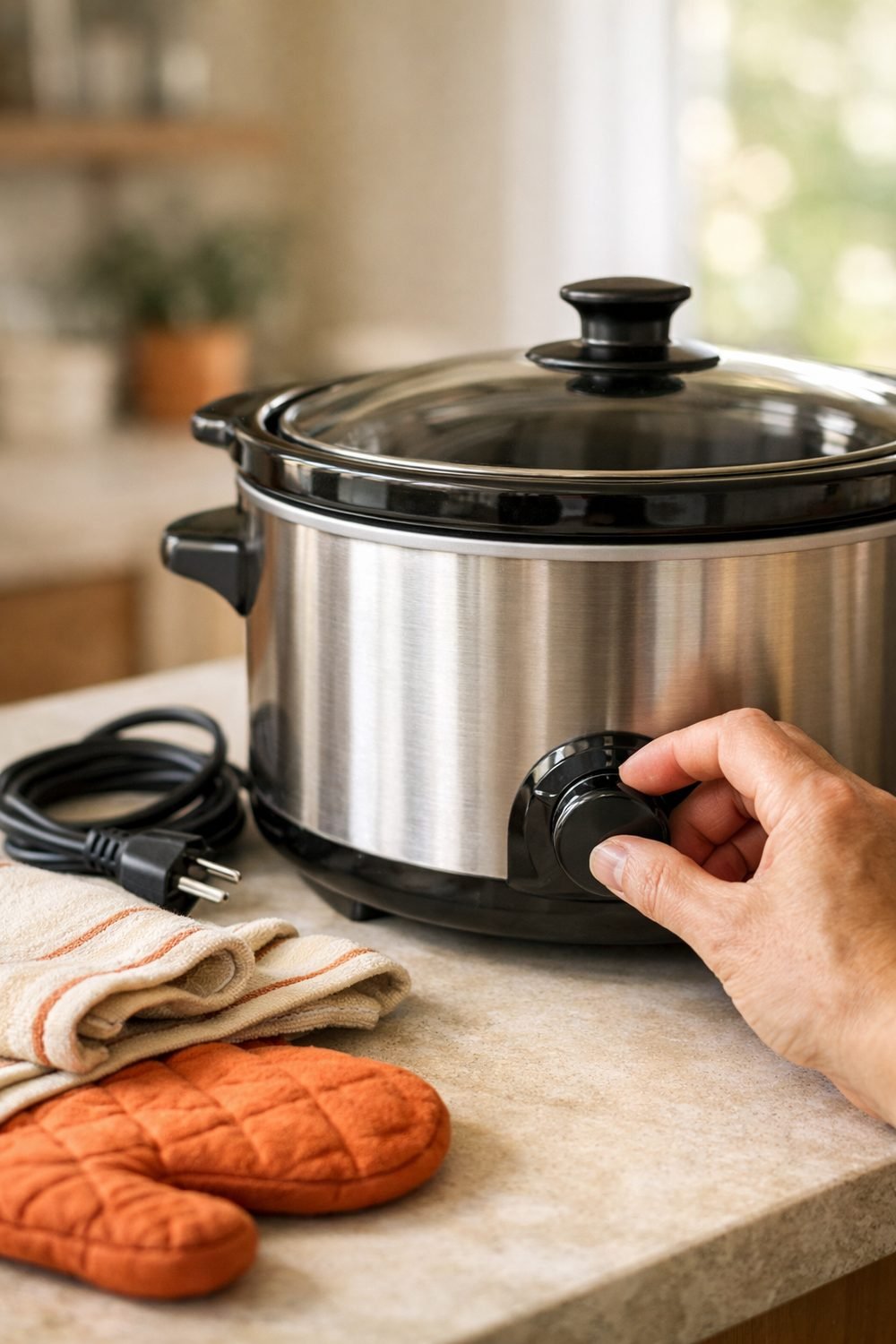
A slow cooker is simple to use, but a multi cooker with air fryer functions has more settings and parts, so safe habits matter even more. This guide covers the basics: reading the manual, not overfilling, thawing ingredients first, keeping the lid on, using the warm setting correctly, storing leftovers and cleaning up properly.
Long before I ever looked at a power xl multi cooker, I got my first slow cooker as a hand-me-down from my aunt. A secondhand cooker might come with no manual, a cracked lid handle, and only a note like "chili, 8 hrs." Many people use one like that for years without realizing they're doing a few things wrong. Nothing terrible happened, but I got lucky more than once.
Slow cookers, like a Crock-Pot, are about as easy as cooking gets, and slow cooker safety is mostly a few simple habits. You load it, switch it on, and walk away. That "walk away" part is exactly why a little care matters. The thing runs for hours, often while you're at work or asleep. So here's what I've learned about using one safely, from the boring basics to the habits that actually stuck with me.
One thing before we start: every model is a bit different. When anything here doesn't match what your maker says, go with the maker.
Short on time? Our top picks: Crock-Pot, Hamilton Beach, Instant Pot and Ninja. See all picks
Start With the Manual (Yes, Really), Even for a Multi Cooker With Air Fryer
It can sound like a hassle. Nobody reads the manual. Many people don't know this until they buy a new cooker: the stoneware insert often can't go straight from the fridge into the heating base, because sudden temperature changes can crack it. Mine would have cracked if I'd kept my old habits.
Manuals cover the stuff that changes from one model to the next:
- Whether the insert is safe in the oven, microwave, or dishwasher
- How much food it's meant to hold
- What the "warm" setting is for (and what it isn't for)
- Whether you should preheat it empty or not
- How to handle the cord and where to place the base
If you lost yours, look for the model number on the bottom of the base. Most makers post their manuals on their own sites. It takes five minutes and saves you from guessing.
While you're at it, check the cord for fraying and the base for cracks. A cooker that runs eight hours unattended should be in good shape. Set it on the counter with a few inches of space around it, away from the wall and away from anything that can melt, like a bread bag. That last one is an easy mistake to make.
Don't Fill It to the Brim
This one surprised me. A common mistake is packing the cooker as full as possible, figuring more food means more leftovers. Most manufacturers recommend filling it between half and two-thirds full so the food heats evenly and safely. But an overfilled pot heats unevenly, and it can bubble over and drip down the sides onto the hot base. Messy at best.
Many cookers have a fill line marked inside the insert. If yours does, stay below it. If it doesn't, your manual likely gives a range. The idea is that the pot needs some room so heat can move through the food properly.
Underfilling can be a problem too. A tiny amount of food in a big pot can cook too fast or dry out. If you often cook for one or two, a smaller cooker might suit you better than half-filling a giant one, and that goes for any air cooker or multi-use model too. The huge models are probably not worth it for most households. They look great on the shelf and then sit there.
Thaw Your Ingredients First
It's tempting to toss a frozen chicken breast in and call it done. It is an easy thing to do. But a lot of makers advise against putting frozen meat in a slow cooker, because it can take a long time for the food to warm up through the middle. That slow climb is the part you want to avoid.
A simple routine works best. If I know I'm making a slow-cooker meal tomorrow, I move the meat from the freezer to the fridge the night before. It's ready by morning. Frozen veggies are a smaller deal for some recipes, but check what your cooker's maker suggests.
Cutting things into similar-sized pieces helps too. A whole roast will take longer to heat through than chunks of the same meat. If a recipe calls for big cuts, follow its timing and don't shortcut it.
Quick side note: if you like having a few easy recipes on hand for nights like this, my free 3 Soup Recipe Cards are yours when you join the email list.
Keep the Lid On
This is the hardest rule for me, because the smell drives me nuts. Beef stew at hour four smells incredible. You want to look. You want to stir.
But every time you lift the lid, heat escapes, and the cooker needs time to get back up to temperature. Do it often and your food spends more time at lower heat and takes longer to finish. Most slow-cooker recipes are written assuming you'll leave it closed.
A few things that help me resist:
- A glass lid, so I can peek without lifting
- Choosing recipes that don't need stirring
- Leaving the kitchen (seriously, this works)
If a recipe tells you to add something partway through, like pasta or cream, go ahead. Just be quick about it and get the lid back on.
Know What "Warm" Is For
The warm setting is meant to hold food that's already cooked, not to cook it. A common mistake is putting raw food on warm and letting it go all day "gently." That's not what the setting is designed to do on most models.
Use low or high to cook, then switch to warm if you're serving over a couple of hours, like at a party. Even then, your manual may say how long it's okay to hold food that way. Don't leave food sitting on warm overnight just because the light is still on.
If you're new to checking whether meat is done, a food thermometer, such as one from ThermoPro, is a useful tool. Look up safe temperatures from a trusted food safety source, and test the thickest part.
Handle Leftovers the Right Way With Fridge Storage Containers
Here's a common mistake: putting the whole stoneware insert, full of food, straight into the fridge. It's heavy and thick, so it holds heat for a long time, and the food in the middle cools slowly. Plus, a hot insert hitting a cold shelf can crack on some models.
Instead, I scoop leftovers into a few shallow, air tight storage containers, such as Pyrex glass ones. Shallow is the key word. Food cools faster when it's spread out. Then the containers go in the fridge once the steam has calmed down, or into freezer storage containers if I won't eat them soon.
Reheating is another spot people get wrong. Most guidance says not to reheat cold leftovers in the slow cooker itself, since it warms too slowly. Reheat on the stove or in the microwave until it's hot all the way through. If you want exact timing for how long leftovers keep, check a trusted food safety source rather than relying on memory.
Clean It Properly After Each Use
Cleaning a slow cooker isn't hard, but there are a couple of traps. First, let the insert cool before you rinse it. Cold water on hot stoneware is a good way to crack it, and the same goes for most glass pieces.
Second, never put the heating base in water. It's electric. Unplug it, let it cool, and wipe it with a damp cloth. That's it.
For the insert, warm soapy water usually does the job. If there's baked-on gunk around the rim, I fill it with warm water and a drop of dish soap and let it sit for an hour. Skip harsh scrubbers unless your care notes say they're fine. Whether the insert and lid can go in the dishwasher depends on your model, so check before you load it.
Also check the rubber gasket on the lid, if yours has one. Food can hide in there. Pop it off every so often and wash it separately.
If you're thinking about adding a multi cooker with air fryer to your counter, the Air Fryer Buyer's Guide and Comparison Sheets below this post can help you compare options before you buy. And the Kitchen Table Alerts Channel Starter Pack, also below, is there if you like getting kitchen tips and reminders in one place.
Gear That Makes Slow Cooking Easier
You don't need much to cook safely, but a few good tools make the habits above easier to stick with. Here are some well-known options worth a look.
Crock-Pot
A classic name in slow cookers, and a good fit if you want a simple, no-fuss setup. Check the size against how many people you usually cook for, and whether the insert is dishwasher safe.
Hamilton Beach
Suits cooks who want a straightforward slow cooker, with some models offering a lid that clips on for travel. Check how the lid seals and whether the model has a warm setting that fits how you serve.
Instant Pot
A multi cooker that suits people who want slow cooking plus other functions in one appliance. Check that the model you pick actually includes a slow cook mode, since not all do.
Ninja
Makes multi-function cookers that suit people with limited counter space who want several uses from one machine. Check which cooking modes your specific model includes before you buy.
ThermoPro
Known for kitchen thermometers, and handy for checking the thickest part of your meat. Decide between a quick instant-read style and a probe you leave in, depending on how you cook.
Pyrex
A familiar name in glass food storage, useful for cooling leftovers in shallow portions. Check that the lids are airtight and whether the glass is rated for the freezer.
Rubbermaid Brilliance
Suits anyone who wants stackable, leak-resistant containers for leftovers. Look at the sizes offered and choose shallow ones so food cools quickly.
Check current plans and prices on each brand's own site.
FAQ
Can I leave my slow cooker on while I'm out of the house?
That's what most people buy them for, and many makers design them for it. Still, read your manual for any warnings, keep the cord and base in good condition, and give the cooker clear space on the counter. If anything about your unit looks damaged, don't leave it running alone.
Is it okay to cook dried beans in a slow cooker?
Some dried beans, like red kidney beans, are often advised to be boiled first before slow cooking. Low heat alone may not be enough for them. Check a trusted recipe or food safety source for the specific bean you're using.
What if the power goes out while my food is cooking?
If you were home and know it was only off briefly, you may be able to finish cooking another way. If you came home and don't know how long the power was off, food safety sources generally say it's safest to throw it out. That may feel wasteful, but it beats getting sick.
Do I need to add liquid every time?
Most slow-cooker recipes need some liquid, since the cooker relies on moisture to cook evenly. How much depends on the recipe and your model. Follow the recipe and your manual instead of guessing.
A Quick Recap
Read your manual, keep the fill level sensible, and thaw meat first, whatever kind of cooker you own. Leave the lid alone, use warm only for food that's already cooked, and cool leftovers in shallow containers. Let the insert cool before washing, and keep water away from the base. None of it is complicated. It's just a handful of habits that make the "set it and forget it" part actually worry-free.
If you want something good to try in your slow cooker this week, grab the free 3 Soup Recipe Cards by joining the email list. Then take a look at the products below this post, in case one of them fits what you're working on in your kitchen.
Printables and tools that can help
Kitchen Table Alerts Channel Starter Pack
A printable planner with menus, prep notes and logs for slow-cooker...
See detailsAir Fryer Buyer's Guide and Comparison Sheets
A printable guide and comparison sheets to note what matters to you before you look at any seller...
See details