30-Minute Weeknight Dinners with Glass Meal Prep Containers
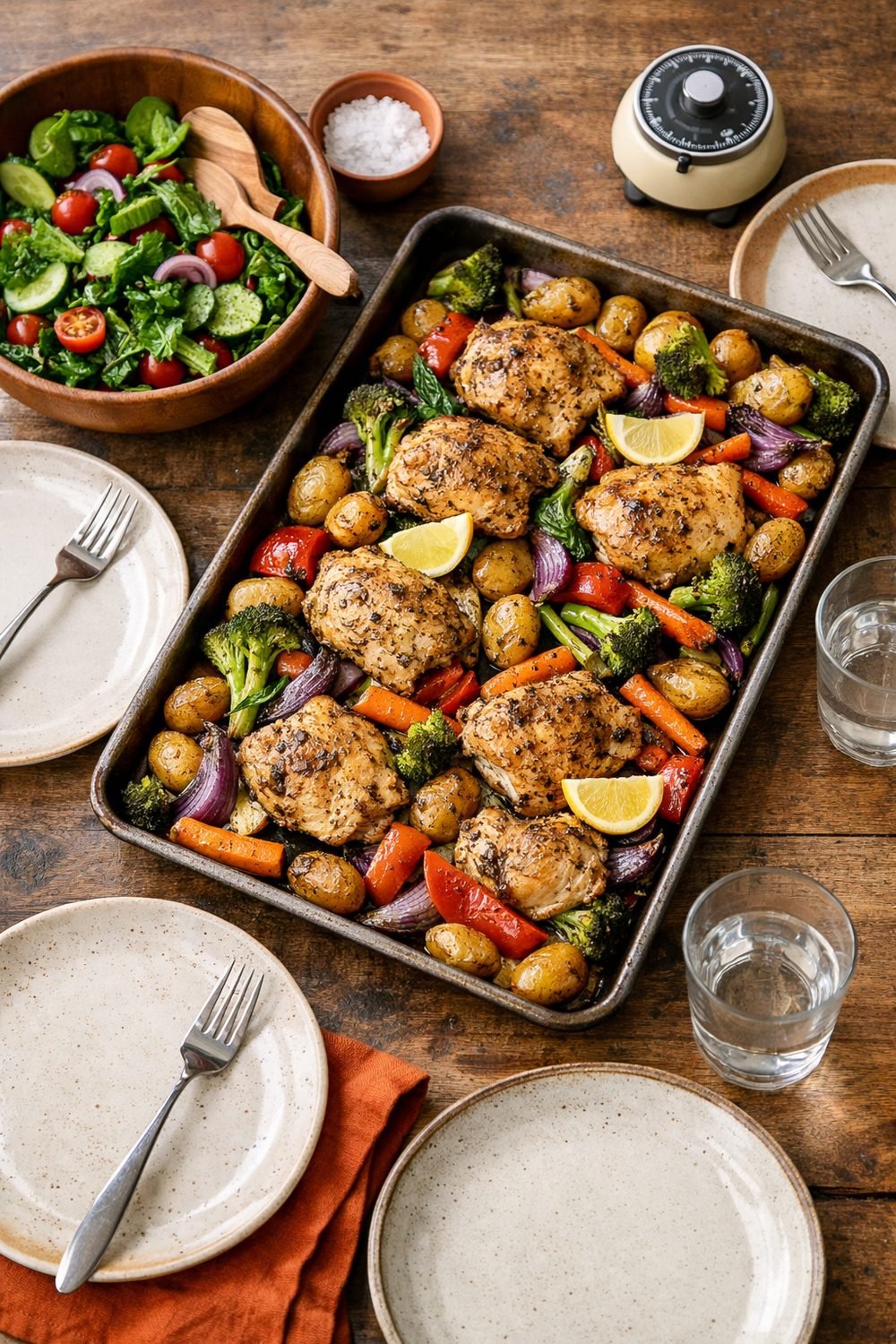
Getting dinner on the table in 30 minutes is easier with a simple plan. This guide covers weeknight dinner planning, from choosing realistic recipes to prepping ingredients ahead in glass meal prep containers, so the week runs more smoothly.
You may know the feeling of standing in front of the fridge at 6:15, tired and hungry, hoping dinner will plan itself, and a good set of meal prep containers can make that moment much easier. It never did. Most nights ended with toast or takeout, and I felt a little silly about it.
What finally helped wasn't a fancy cookbook. It was a simple plan and a few habits that make a 30-minute dinner actually take 30 minutes. Here's my 30 minute dinner planner routine, plus a couple of things I'd skip.
Short on time? Our top picks: Pyrex Glass Storage Containers, Rubbermaid Brilliance Containers, Lodge Cast Iron Skillet and Nordic Ware Baking Sheets. See all picks

1. Pick Recipes That Are Really 30 Minutes
Lots of recipes say "30 minutes" on top and then ask you to marinate chicken for an hour. It's an easy trap to fall into. So before I add a recipe to my week, I read the whole thing, start to finish.
Look for short ingredient lists and steps you can picture doing. Stir-fries, pasta with a quick sauce, tacos, egg fried rice, and sheet pan sausages with vegetables are my regulars. They don't need much babysitting.
Tip: If a recipe has more than about eight steps, save it for the weekend. Weeknights are for the simple stuff.
2. Plan the Week in One Sitting with a 30 Minute Dinner Planner
Sit down on Sunday with a cup of tea and pick four or five dinners. Not seven. Life happens, leftovers happen, and sometimes a friend calls and you end up eating out. Planning every single night can leave you feeling guilty when you skip one.
Once I've picked the meals, I write the shopping list right then, while the recipes are fresh in my head, and a shared list app like AnyList can work well for this. This is where a printed planner helps me, because I can see the whole week on one page and stick it on the fridge. If you like that kind of thing, the Weekly Meal Planner and Grocery List Pack is below this post. A notebook works fine too, honestly.
Tip: Put your busiest night down for the easiest meal. Don't schedule the new recipe for the evening you get home late.
3. Prep Ingredients Ahead in Glass Meal Prep Containers (But Not Everything)
Chopping is what eats up most of my cooking time. An onion, a pepper, some garlic, and suddenly ten minutes are gone. So do a little prep when you get home from shopping, or on Sunday afternoon.
I chop onions and peppers and keep them in glass meal prep containers, such as Pyrex storage sets, in the fridge. Wash salad leaves and wrap them in a towel. Cook a batch of rice that can be reheated in a couple of minutes. That's usually enough.
Here's my honest opinion: full Sunday meal prep, with 20 matching boxes lined up, is overrated for most people. By Thursday I was sick of the same chicken and broccoli. Prepping the parts of a meal, not the whole meal, gave me more choice and less waste, and I only needed a few of the best meal prep boxes.
Tip: Some things, like cut avocado or apple, go brown fast. Prep sturdy vegetables ahead and leave soft ones for the night you cook.
4. Use One Pan Whenever You Can
A good dinner can be ruined by a sink full of pots. Washing up is a common reason people avoid cooking, so it's worth making it easier. One pan fixed most of that.
A big frying pan, a deep skillet like a Lodge cast iron one, or a sheet pan can handle loads of meals. Brown some meat, toss in vegetables, add a sauce, done. On a sheet pan, you can roast sausages, potatoes cut small, and peppers all at once.
Tip: Cut everything to roughly the same size so it cooks evenly. Small potato cubes roast much faster than big chunks.
5. Keep a Stocked Shelf of Staples
The nights when my plan falls apart, my cupboard saves me. If I have pasta, a tin of tomatoes, and some garlic, dinner is maybe 20 minutes away. That's a lot better than ordering pizza because I "have nothing."
These are the things I try never to run out of:
- Dried pasta and rice
- Tinned tomatoes, beans, and chickpeas
- Eggs
- Frozen peas, spinach, or mixed vegetables
- Stock cubes or stock pots
- Soy sauce, a jar of curry paste, and a few dried spices
- Cheese that keeps, like a block of cheddar or parmesan
Frozen vegetables don't get enough credit. They're already chopped, they last ages, and nobody at my table has ever noticed the difference in a stir-fry.
Tip: When you use the last of a staple, write it on your shopping list right away. Don't trust yourself to remember. Most people don't.
By the way, if you'd like a few easy, low-fuss dinners to start with, you can grab my Free 3 Soup Recipe Cards by joining the email list.
6. Set a Timer and Work in Order
This sounds a bit strict, but it helps. When I set a timer for 30 minutes, I stop wandering off to check my phone halfway through. It turns dinner into a little game, and I'm weirdly competitive with myself.
The other half is working in the right order. Start whatever takes longest first. Put the water on to boil before you chop anything. Get the oven heating as soon as you walk in. While the pasta cooks, make the sauce.
Tip: Read the recipe once before you start and spot the slowest step. That's what goes first, every time.
7. Cook Once, Eat Twice
Some of my favourite weeknight dinners are planned leftovers. If I'm roasting chicken thighs on Monday, I cook a few extra. On Wednesday they go into wraps or fried rice, and dinner takes ten minutes.
Chili, bolognese, and curry all get better the next day anyway, and they pack neatly into a meal prep lunch box. Double the batch and you've got lunch or a second dinner sorted for the week.
Tip: Check that leftovers are cooled and stored properly. If you're not sure how long something keeps, a food safety guide from your local health service is a good place to look.
8. Keep a Short Log of What Worked
This is the habit I skipped for years and wish I hadn't. After dinner, I jot down a line or two. Did it really take 30 minutes? Did the kids eat it? Would I make it again?
Over a few weeks, you end up with your own list of winners. Then planning gets easy, because you're picking from meals you already know work. A handy place to keep your list is the back page of a planner. The 30-Minute Dinner Planner below this post has space for exactly this, if you'd rather not set it up yourself.
Tip: Be honest in your notes. "Took 45 minutes, too much chopping" is more useful than a gold star.
Tools and Apps Worth Considering
You don't need much to make a 30-minute dinner routine work, but a few well-chosen tools can take the friction out of planning, prepping and cooking. Here are some real options that fit the habits above.
Pyrex Glass Storage Containers
A good fit if you want to store chopped vegetables or cooked rice without worrying about stains or smells. Check that the lids are the right type for your needs, since some are fine for the fridge but not designed for the microwave or freezer.
Rubbermaid Brilliance Containers
Suits people who want stackable food storage that is easy to see into. Check whether the lids and bases are rated for the dishwasher, microwave or freezer before you rely on them.
Lodge Cast Iron Skillet
A solid choice for one-pan dinners like sausage and vegetable dishes or stir-fries. Check the weight and whether you are happy with the upkeep cast iron needs, as it is heavier than most pans and needs care after washing.
Nordic Ware Baking Sheets
Suits anyone who leans on sheet pan dinners and wants a sturdy pan that fits a home oven. Check the pan's dimensions against your oven before buying, and look at the care instructions.
Mealime
A meal planning app that suits people who want recipes and a shopping list in one place. Check which features are free and which need a paid plan, and whether it covers any dietary needs you have.
Paprika Recipe Manager
A good match if you collect recipes from many websites and want them saved in one app with a meal planner. Check which devices you need it on, as apps like this can be bought separately for each platform.
AnyList
Handy for households that share a grocery list, so anyone can add a missing staple straight away. Check which features sit behind a paid tier before you commit.
Check current plans and prices on each brand's own site before you buy or sign up.
FAQ
How many meals should I plan for each week?
Starting with four or five is a good idea. That leaves room for leftovers, a night out, or a lazy egg-on-toast evening. You can add more once the habit feels easy.
Is 30 minutes realistic for a beginner cook?
It can take longer at first, and that's okay. Chopping and timing get faster with practice. Pick very simple recipes for the first few weeks and don't worry about the clock too much.
What if my family is picky?
Build meals where people can add their own toppings, like tacos, rice bowls, or pasta with sauce on the side. Everyone gets some control, and you only cook one dinner. Your log will show you which meals actually get eaten.
Do I need special kitchen tools or a food mixer machine?
Not really. A sharp knife, a big frying pan, a sheet pan, and a pot will cover almost everything here. Skip buying gadgets like a stick mixer until you know you'll use them.
If you want an easy place to start, sign up for the Free 3 Soup Recipe Cards using the box on this page. Try one this week and see how it goes. Then, if a printed plan would help you stay on track, have a look at the 30-Minute Dinner Planner and the Weekly Meal Planner and Grocery List Pack below this post.
Printables and tools that can help
30-Minute Dinner Planner
A printable planner for quick weeknight dinners, with a grocery list and...
See detailsWeekly Meal Planner and Grocery List Pack
Printable weekly meal planner pages and grocery...
See details